Fit Guide

Measure once. Buy with a calmer kind of confidence.

Use this page when Atlas already feels like the right system and you want the final numbers, photos, entry notes, and storage details ready before checkout or support review.

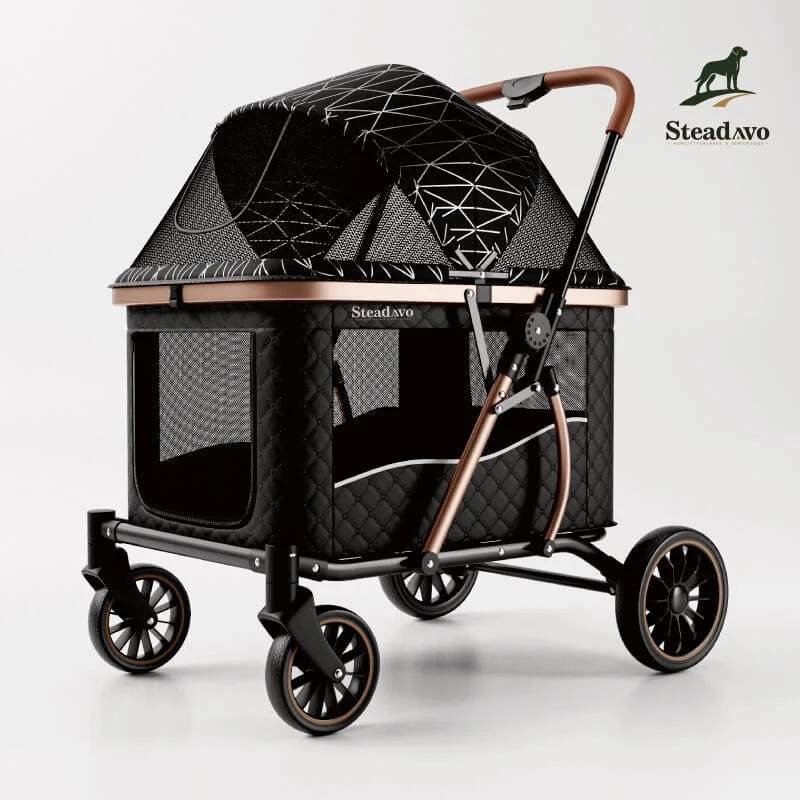
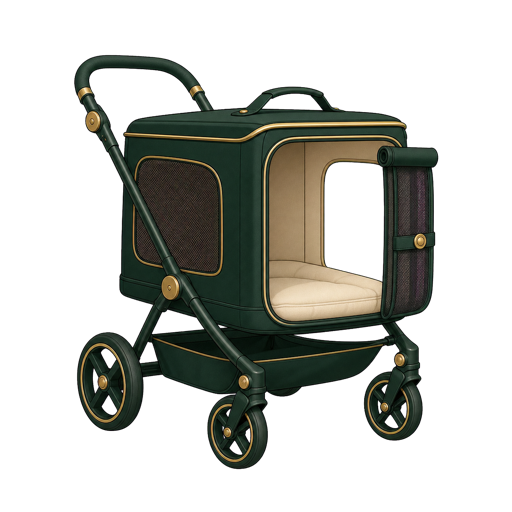
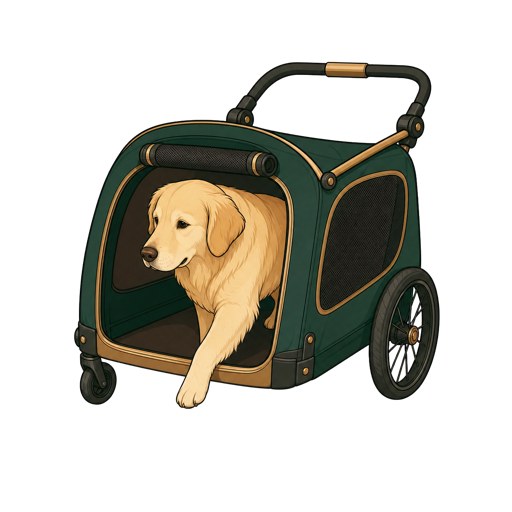
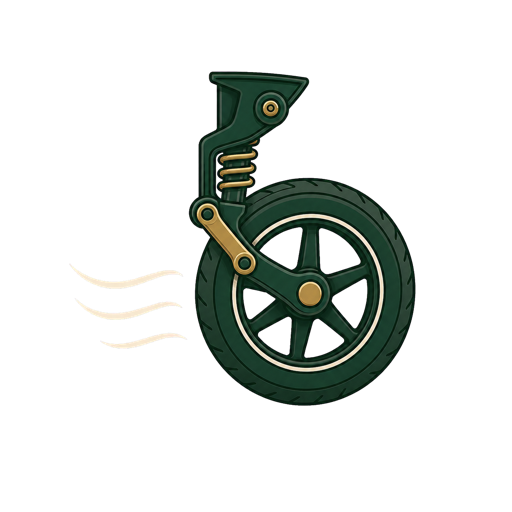
Steadavo Atlas wheel and frame detail for fit guidance
Measure current body size Check resting posture Plan entry and storage

Standard measurement points

The six checks that should be ready before purchase.

Use inches and centimeters if possible. Keep the dog on level ground, take each measurement twice, and write down the larger number when the result is close. Do not guess from breed averages.

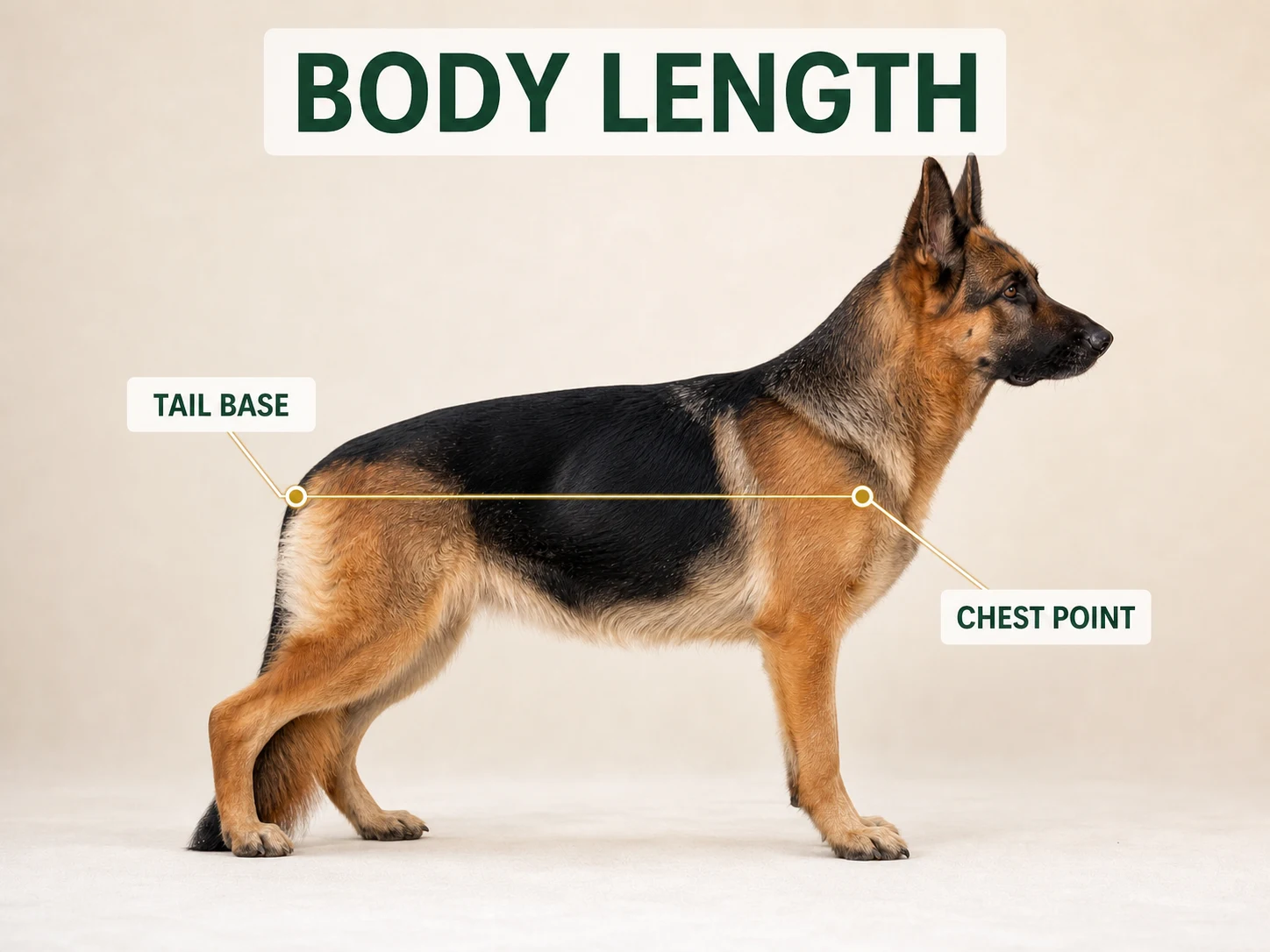
Large dog in Steadavo Atlas with body length measuring line Chest point Tail base
01 / Required

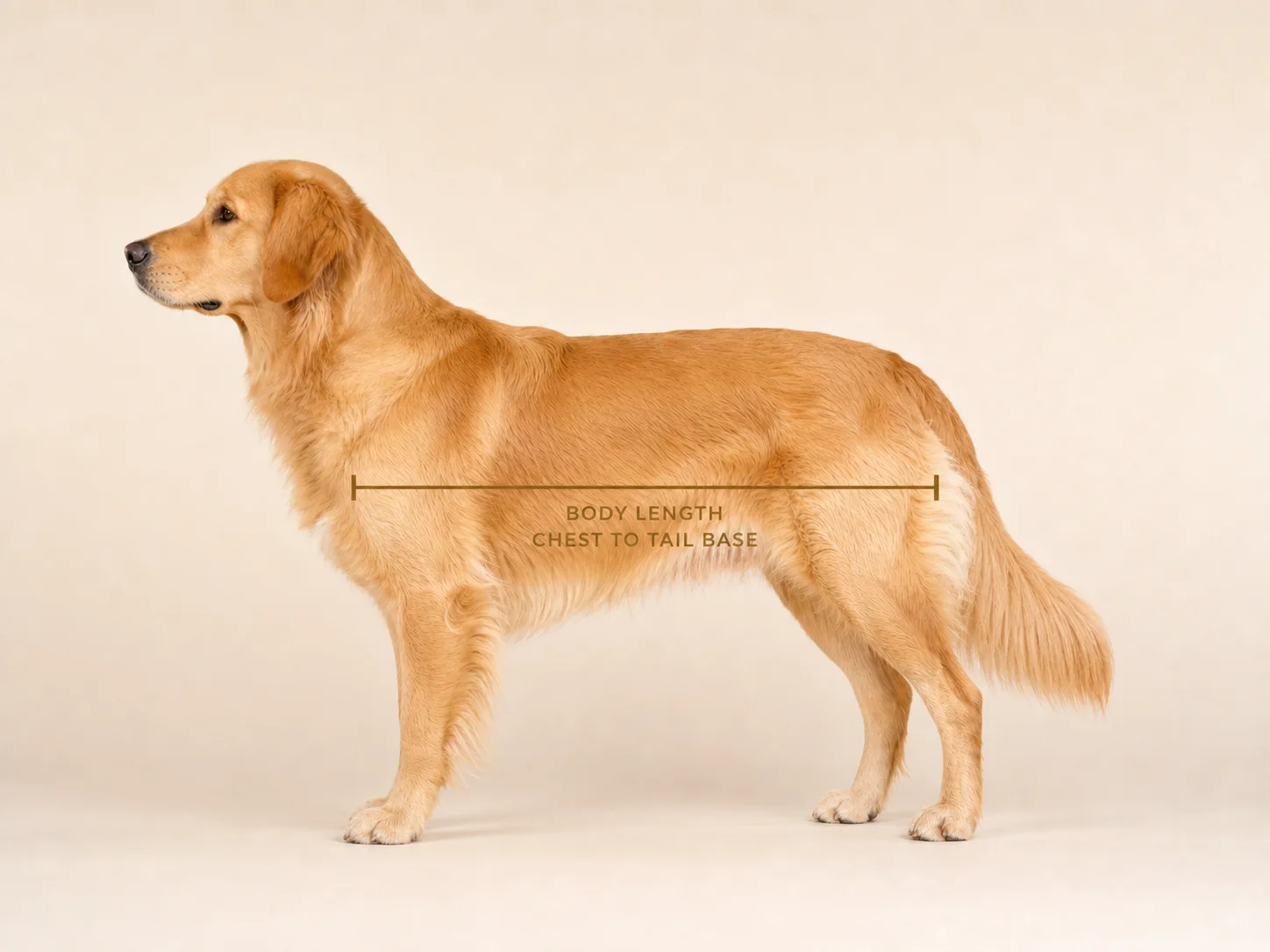
Chest point to tail base

Measure from the front point of the chest to the base of the tail. Do not include the head, nose, or tail.
Large dog in Steadavo Atlas with shoulder height measuring line Top of shoulder Floor
02 / Required

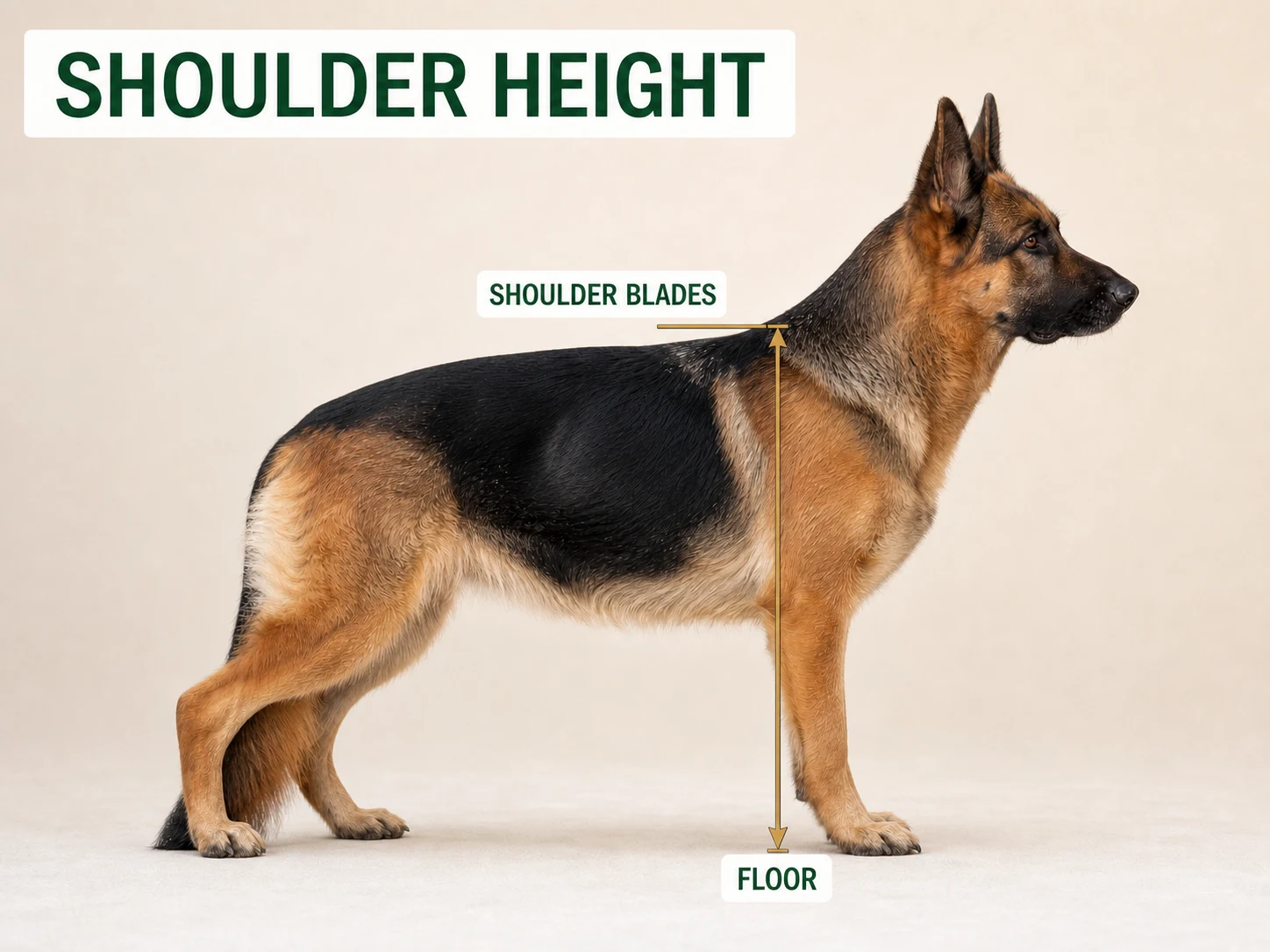
Floor to withers

Measure from the floor to the top of the shoulder. Do not measure to the head or ears.

Large dog in Steadavo Atlas with relaxed body width measuring line Left side Right side
03 / Required

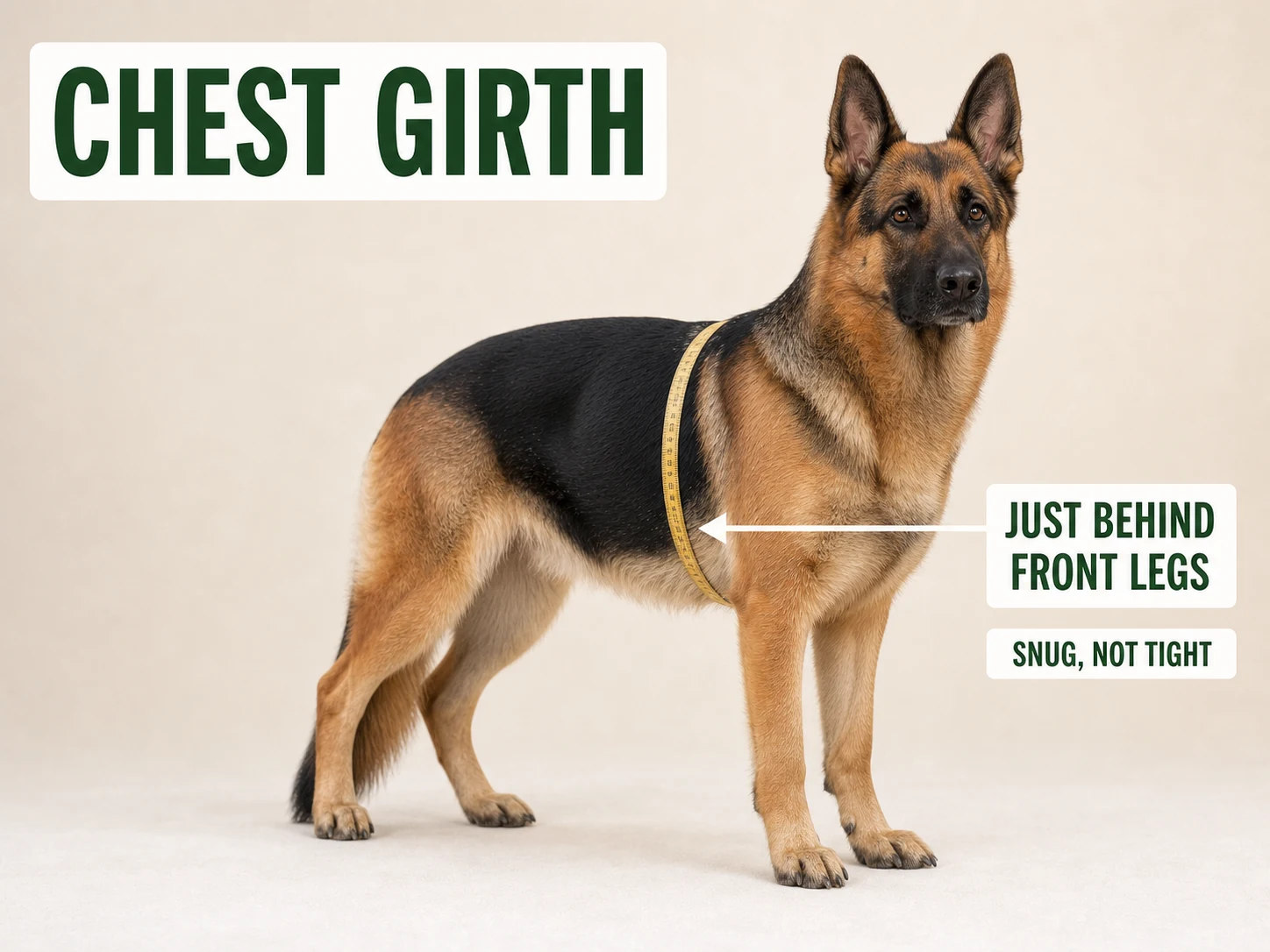
Widest relaxed point

Measure the widest point across the chest or hips while standing naturally, not stretched or compressed.

Large dog resting calmly in Steadavo Atlas for posture review Natural rest No forced crouch
04 / Required

How the dog settles

Note whether the dog sits upright, lies long, curls, or leans. This affects comfort liner and side-support planning.

Steadavo Atlas entry area with planned entry path Approach Settle point
05 / Required

Step, guide, or lift

Record whether the dog can step in calmly, needs rear support, needs front support, or needs a ramp/handler plan.

Steadavo Atlas wheel and frame detail for storage footprint planning Width Depth
06 / Home and vehicle

SUV and home footprint

Measure cargo space and the storage location at home. A product can fit the dog but still fail the routine if storage is not planned.

What to prepare

Bring the right numbers to the buying moment.

These are example formats, not product size limits. Replace the blanks with your dog's current measurements, then compare them with the final Atlas specifications before ordering.

Set 01

Body measurements

Current weight
___ lb / ___ kg
Body length
Chest point to tail base: ___ in / ___ cm
Shoulder height
Floor to withers: ___ in / ___ cm
Body width
Widest relaxed point: ___ in / ___ cm
Set 02

Comfort and entry

Resting posture
Sits / lies long / curls / leans
Entry ability
Steps in / rear support / front support / lift
Handler plan
One person / two people / ramp support
Photos
Side standing + tired resting posture
Set 03

Home and car check

SUV cargo area
Width ___ / depth ___ / height ___
Home storage
Garage / hallway / closet / entry zone
Primary surface
Pavement / park path / mixed use
Concern to review
Weight / length / entry / storage / posture

Fit worksheet

The purchase check that belongs right before checkout.

Use a soft tape measure. Measure while your dog is calm, standing naturally, and not stretching forward for food or attention. If your dog cannot stand comfortably, measure the closest natural resting position and send photos to support.

Measure How to take it How to judge fit
Current weight

Use the most recent scale weight, not an old vet record. If weight changes often, use the higher current number and note the change.

Compare this against the published Atlas support range. If your dog is near the upper limit, do not guess. Ask support before ordering.

Body length

Measure from the front point of the chest to the base of the tail while standing naturally. Do not include the head or tail.

Atlas should allow the chest and tail base to rest without being pressed into the front or rear wall. Add photos if your dog has a long body or deep chest.

Shoulder height

Measure from floor to the top of the shoulder, not the head. For tall dogs, also note whether the head stays relaxed when seated.

The side support should feel protective without forcing a crouch, twist, or high-neck position. If posture looks tense, fit needs review.

Body width

Measure the widest relaxed point across the chest or hips. Do not pull the tape tight against fur, ribs, or joints.

The dog should have enough room to settle without being wedged or forced into one posture for the whole outing.

Resting posture

Watch how your dog rests after a short walk: sitting upright, lying sphinx-style, leaning to one side, or curling.

Choose Atlas only if that natural rest can be supported calmly. Leaning dogs may need extra liner support or a slower entry routine.

Storage footprint

Measure the SUV cargo area, garage wall, hallway, or home storage zone where Atlas will live between outings.

If storage is difficult, the product may be used less often. Treat vehicle and home storage as part of the purchase decision.

Fit note builder

Build a support-ready fit note.

This does not replace the final product specifications. It gives you a clear measurement note to review before checkout or send to support when one answer feels uncertain.

Your fit note will appear here.

Fill in the fields above, then build the note before emailing support.

Photos help

If you are unsure, take three photos before contacting support.

01

Side standing photo

Dog standing on level ground, full body visible from nose to tail base. This shows length and natural stance.

02

Resting posture photo

Dog in the position they choose when tired. This helps judge comfort, side support, and liner needs.

03

Entry ability note

Tell support whether your dog steps in, needs rear support, needs front support, or must be guided slowly.

Large senior dog resting calmly in the Steadavo Atlas system

Fit is not only size

Atlas must fit the dog and the person using it.

A correct fit also depends on who handles the system, where it is stored, and how the dog enters. A large dog can be inside the size range and still need a different entry plan.

  • One person should be able to control the system on the surfaces you use most.
  • The dog should have a calm way in before the first full outing.
  • The folded system should have a planned place in the vehicle or home.
Pass 01

Weight is within support range

Use current weight and leave margin if your dog is close to the published limit.

Pass 02

Body length rests naturally

Your dog should be able to settle without being compressed at the chest or tail.

Pass 03

Posture looks comfortable

Look for calm sitting or resting, not a forced crouch, twist, or high-neck position.

Pass 04

Entry is realistic

Know whether your dog can step in, needs assistance, or needs a ramp/accessory plan.

Fit is also a lifestyle decision

Use the scenario notes when the numbers alone do not answer the question.

Next step

Measurements ready? Review Atlas with the fit in mind.

Return to the product page and compare your notes against the system, entry, storage, accessories, and support path.

Explore Atlas