

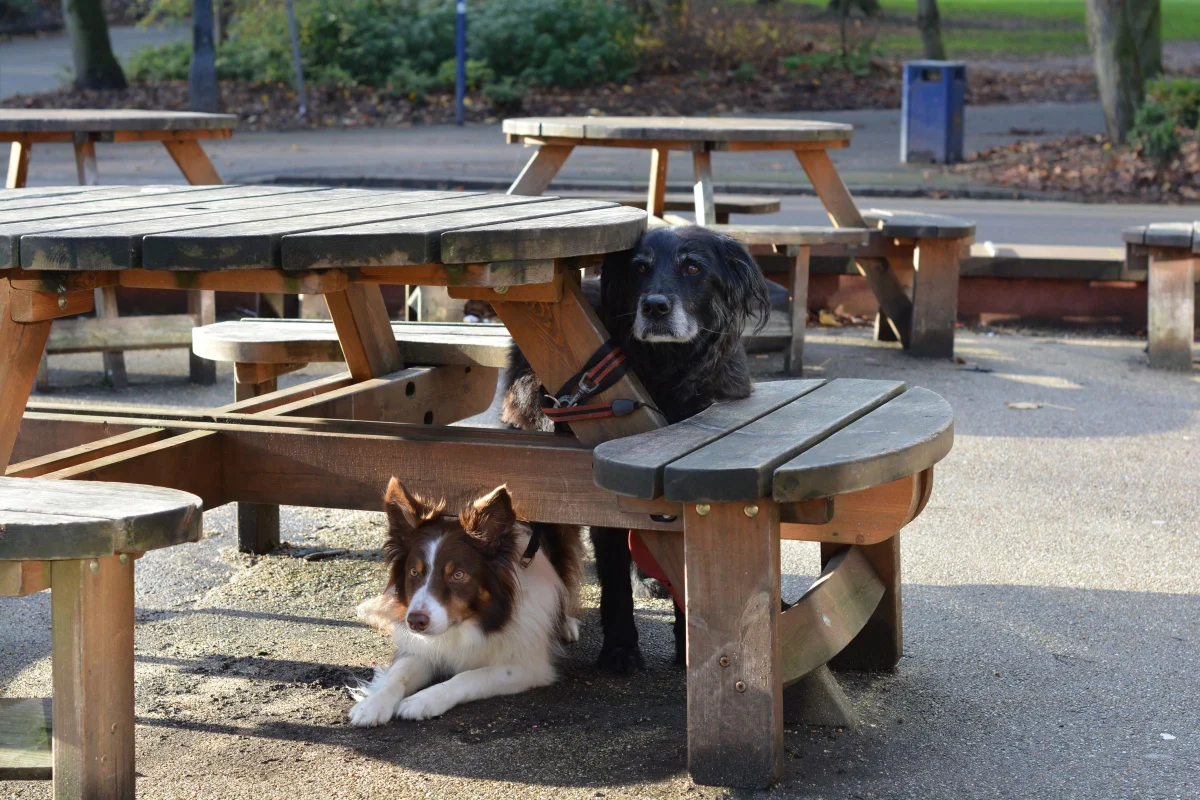
Accessible dog trail etiquette is a practical way to share outdoor space when a path serves people, dogs, horses, wildlife, and different mobility needs at the same time. Good manners are less about perfect obedience and more about making the next interaction predictable. Check the destination rules, keep control of your dog, and leave room before anyone has to ask.
This guide is written for families who want an outing that feels calm rather than crowded. “Accessible” here means a route and a passing plan that respect the path, the land manager’s rules, and the people using the space. Local regulations always take priority over general etiquette.
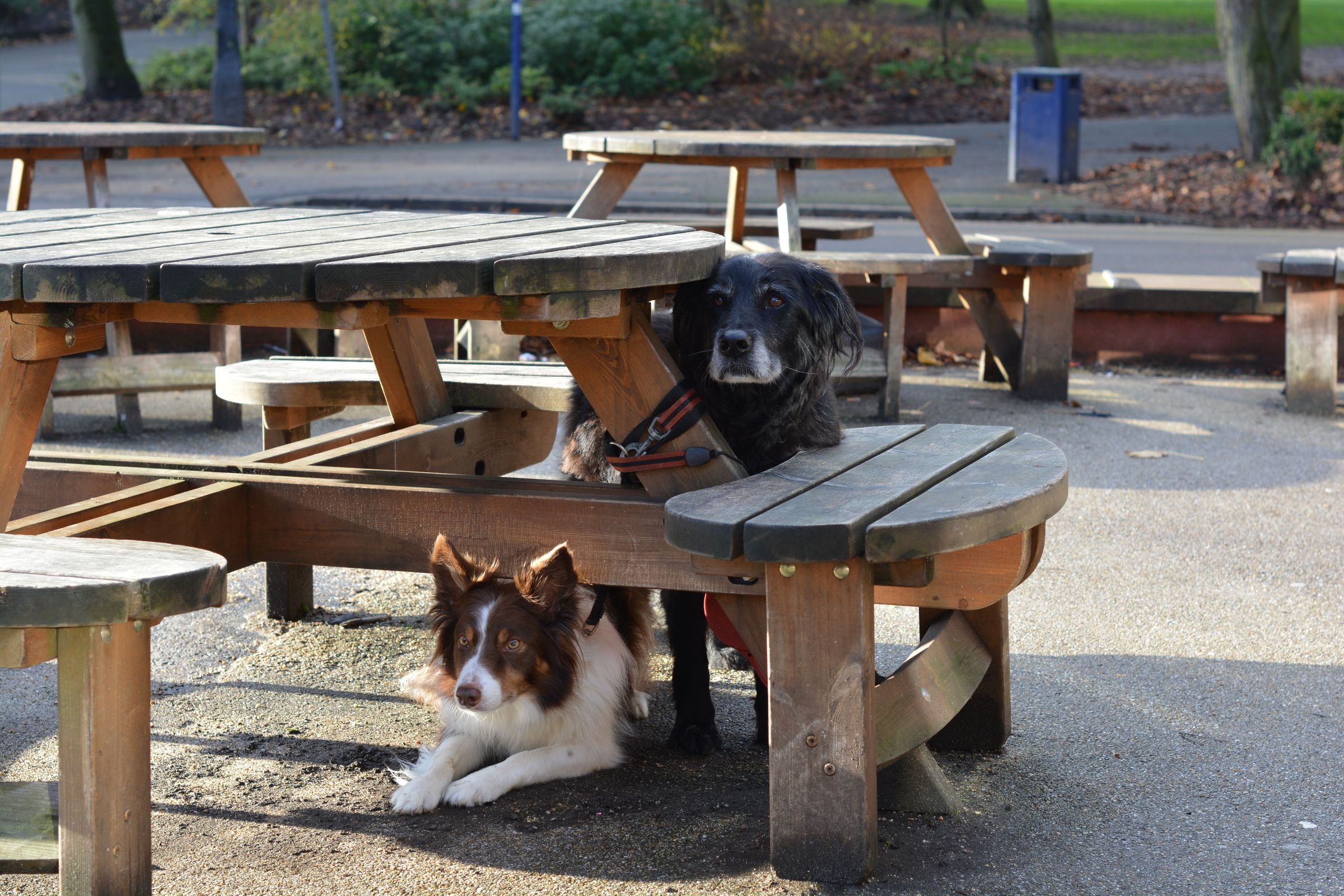
Accessible dog trail etiquette starts with the local rules
Before you leave, open the official page for the exact park, preserve, forest, or trailhead. Pet access can change by area, season, wildlife concern, or surface. Some public lands allow dogs only on developed roads or specified paths, while others require a leash everywhere. A general “dog-friendly” label is not a substitute for the current rule posted by the land manager.
Save the page or a screenshot, then check it again on the day of the outing. Look for leash length, permitted areas, horse or bicycle use, water restrictions, waste instructions, and temporary closures. If the rule is unclear, call the managing office before loading the car. The most respectful choice may be a different route.
Carry a leash that lets you keep the dog close without wrapping hands or blocking a narrow path. The National Park Service recommends a six-foot leash for many situations, but the destination rule controls. Accessible dog trail etiquette begins with compliance, not with a promise that your dog is friendly.
Create space before a passing encounter
Scan ahead whenever the path bends, narrows, or opens onto a busy area. If you see a person, dog, horse, stroller, or group approaching, make the plan early. Move to a durable edge or a designated passing space, shorten the leash without jerking, and let the other trail user choose whether to continue or pause. A friendly greeting is never required.
Yielding is a courtesy that keeps everyone from negotiating at the last second. Many trail systems ask downhill hikers to yield to uphill hikers, while a land manager may post a different rule. Keep your dog with you and avoid standing in the center of the path. If the edge is fragile, remain on the durable surface and wait for a safe opening instead of trampling plants.
Give horses extra distance and a clear voice. Ask the rider what they need, keep your dog quiet and close, and do not allow a greeting. A horse may react to movement or sound even when your dog is calm. The same principle applies to people who use mobility devices or need more time: space is a useful accommodation, not an inconvenience.
Use calm leash and body language
Leash control is easier when the dog knows a small, repeatable cue such as “this way” or “behind.” Practice the cue at home and on a quiet sidewalk before using it on a crowded trail. Keep your shoulders relaxed, turn your body between the dog and a passing trigger when helpful, and reward the dog for looking back at you. Do not drag the dog toward a stranger to prove sociability.
Never assume that another dog wants to meet. A dog may be recovering, fearful, working, or simply enjoying a quiet walk. Say, “We will give you space,” and create it. If your dog barks, lunges, or cannot settle, turn around or step into a safe pause area. The successful choice is the one that prevents escalation, not the one that completes the longest route.
Accessible dog trail etiquette also includes the people in your group. Keep children from running ahead to greet dogs, and give each handler a job: one person watches the path, one keeps the leash organized, and one carries waste and water when needed. A simple division of attention makes the whole group easier to pass.
Pack for a clean, predictable day
Pack more water than the minimum you expect to use, a bowl, waste bags, a small first-aid kit, identification, and a charged phone. Bring a towel or layer that helps the dog settle without spreading gear across the path. If the route has no reliable water, assume you must carry all of it. Never leave a dog in a closed vehicle while you walk or wait.
Pack out dog waste unless the land manager gives a different method. A bag tied to the leash is not a final disposal plan; use the bins provided or carry it to an approved bin at the trailhead. Some forest sites specify how far waste must be from water and trails when burial is allowed, but that is site-specific. Read the rule rather than copying a practice from another park.
Keep food and scented items closed, and do not feed wildlife. Wildlife encounters can harm animals, dogs, and people even when the first moment feels exciting. A quiet route, a short leash, and a clean pack protect the place you came to enjoy.
Accessible dog trail etiquette includes durable surfaces
Stay on the designated path and choose surfaces that match your dog and the route. A wide, stable path may be appropriate for a dog who needs more room to turn or pause; a wet, steep, or eroded section may not be. “Accessible dog paths” are not defined by a single width or label. Look for the actual grade, surface, drainage, rest areas, and exit options.
Mobility support can make an outing more workable, but it does not remove the need for courtesy. Check that the setup leaves room for people to pass, keep wheels and paws on the durable surface, and stop before a crowded pinch point. If a path is too narrow for safe passing, turn back early. A shorter route protects the trail and the dog at the same time.
When you pause, move fully off the travel line when the surface allows it. Keep the dog close enough that a passerby does not need to step into vegetation or mud. Leave gates, bridges, and viewpoints clear unless the posted design provides a waiting space.
Build a passing script the whole family can repeat
A passing script removes the pressure to improvise. Choose a few words, use them every time, and keep the tone neutral: “Dog on your left; we are stepping aside,” or “We will wait here for the horse.” Then perform the same sequence: shorten the leash, move to the edge, reward the dog for staying with you, and release the space when the other user has passed.
Practice the script when no one is watching. Ask a friend to walk toward you at a distance, then repeat with a wider and narrower path. The goal is not to create a military drill. It is to make the safe choice familiar enough that a family can use it while carrying water, guiding children, or managing a dog who is already tired.
When the path is busy, communicate early and generously. A brief greeting or a clear thank-you can reset the mood, but do not require conversation from a person who wants to keep moving. Courtesy works best when it leaves every trail user free to continue.
Recover without turning the trail into a test
Watch the dog after a passing encounter. A dog who can sniff, drink, and settle may be ready to continue at a lower demand. A dog who remains tense, pants heavily, pulls toward the car, or cannot respond to the familiar cue is telling you that the outing needs a pause or an exit. Accessible dog trail etiquette includes knowing when to stop using the path.
Choose a quiet place to reset, offer water, and let the dog decide whether to observe or move. Do not reward a difficult encounter by marching into another one. If your dog repeatedly struggles on a particular route, pick a quieter time, a wider surface, or a different destination. The trail will still be there when the plan fits better.
Review the outing and adjust
After you get home, write down what made passing easy or hard: time of day, crowding, surface, visibility, animals, and the distance at which your dog could respond. Keep the note short. “Quiet at 8 a.m.; tight at the bridge; needed three minutes to settle” is enough to improve the next plan.
Review the official rules again if anything felt inconsistent. Regulations and closures can change, and a trail that works in one season may not be open to pets in another. If you are unsure about a leash, horse, or wildlife rule, ask the land manager. The current Outdoor Adventure Field Notes category can hold the broader route-planning ideas, while the Fit Guide can help organize measurements before you choose mobility support.
Why etiquette keeps more routes open
Every calm pass protects the possibility of another outing. People are more comfortable sharing a path when dogs remain under control, waste is handled, and the group leaves room. Wildlife is safer when dogs stay leashed and on the designated surface. A family can enjoy more places when it treats access as a responsibility rather than an entitlement.
Accessible dog trail etiquette is therefore a practical expression of care. Check the rule, see the encounter early, make space, pack out what you brought, and leave while the dog still feels settled. Those small habits make an ordinary route feel welcoming for the next person and the next dog.
Sources for this trail guide
- National Park Service: Hiking with Pets
- USDA Forest Service: Raccoon Hollow Trailhead rules
- American Hiking Society: Hiking with Dogs
- American Hiking Society: Hiking Etiquette
Frequently asked questions
Do local park rules override general trail etiquette?
Yes. Check the current rule for the exact park, trail, or forest before leaving. Leash length, pet access, waste disposal, seasonal closures, and horse areas can differ by destination.
Should dogs greet each other on a shared trail?
No greeting should be assumed. Ask, create space, and keep your dog close. A calm pass is more respectful than forcing an interaction.
What should I carry for a shared dog trail?
Carry a compliant leash, extra water and a bowl, waste bags, identification, a charged phone, and any familiar support your dog already uses.