

A thunderstorm can change a quiet afternoon into a safety problem before the first loud crack. Dogs may pace, hide, pant, drool, tremble, or try to escape, and a large dog can damage a door or injure a handler while searching for relief. A dog thunderstorm safety plan is a calm sequence you prepare before the forecast turns urgent: secure exits, choose a familiar refuge, finish outdoor needs early, and know when to involve a veterinarian.
The plan is not a promise that every dog will relax. It gives you fewer decisions to make while the weather is noisy. Start with the dog you have today, including age, mobility, hearing, previous fear, and any prescribed medication. A new or suddenly intense reaction deserves a veterinary conversation, because pain, illness, or age-related change can alter behavior.
Why a dog thunderstorm safety plan starts early
Storm fear can be driven by sudden sound, flashes, wind, pressure changes, or the dog’s learned association with an earlier event. Cornell’s veterinary guidance describes a range from hiding and pacing to escape attempts. Once a dog is already panicking, teaching a new skill is difficult. Preparation works best when the dog is still able to eat, respond to your voice, and move through the home without rushing.
Check a reliable weather alert and give yourself a time buffer. Take the ordinary bathroom break and short sniff outside before thunder is close, then bring the dog indoors. If thunder is audible, follow NOAA lightning guidance and do not continue an outdoor walk. A dog who normally chooses the yard may need a leash for a brief, supervised break even inside a fenced area.
Build a dog thunderstorm safety plan before clouds arrive
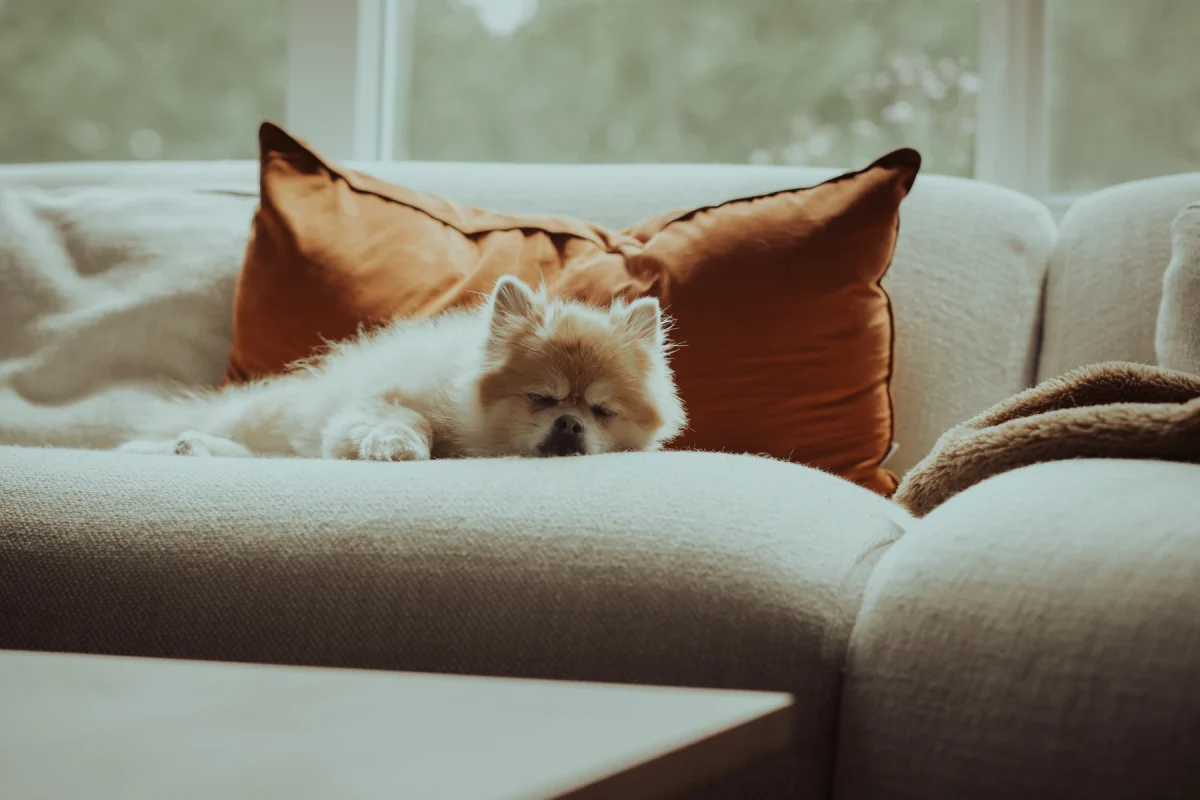
Choose an interior room, hallway, or other familiar place with fewer windows and a comfortable bed. The “safe” part is familiarity, not a new crate or a tight enclosure introduced during a crisis. Leave a crate door open if the dog already treats it as a safe place. Close doors and curtains, remove chewable hazards, and make sure a frightened dog cannot nose through a loose screen or bolt when someone opens the front door.
- Confirm collar tags and microchip contact details are current.
- Keep a leash, towel, water, and waste bags beside the refuge.
- Charge the phone and keep the veterinarian’s number easy to reach.
- Place a familiar food toy or puzzle nearby, without forcing it.
- Tell household members which door and room should stay quiet.
Sound masking can soften the contrast between silence and thunder. Try a fan, television, white noise, or calm music at a comfortable volume. Test the setup on a quiet day so you know whether it bothers your dog. It is fine if your dog prefers a closet, a bathroom, or the space beside your chair; the best refuge is the one the dog chooses and can leave safely.
Dog thunderstorm safety plan: read fear without punishing the dog
Look for early changes: scanning, lip licking, yawning, pacing, panting, drooling, trembling, hiding, clinginess, or repeated attempts to reach a door. These are signals to lower demands, not reasons to scold. A frightened dog is not being stubborn. Punishment can increase distress and can make a dog less willing to approach you next time. That is where a dog thunderstorm safety plan earns its place: it turns those signals into a lower-demand routine.
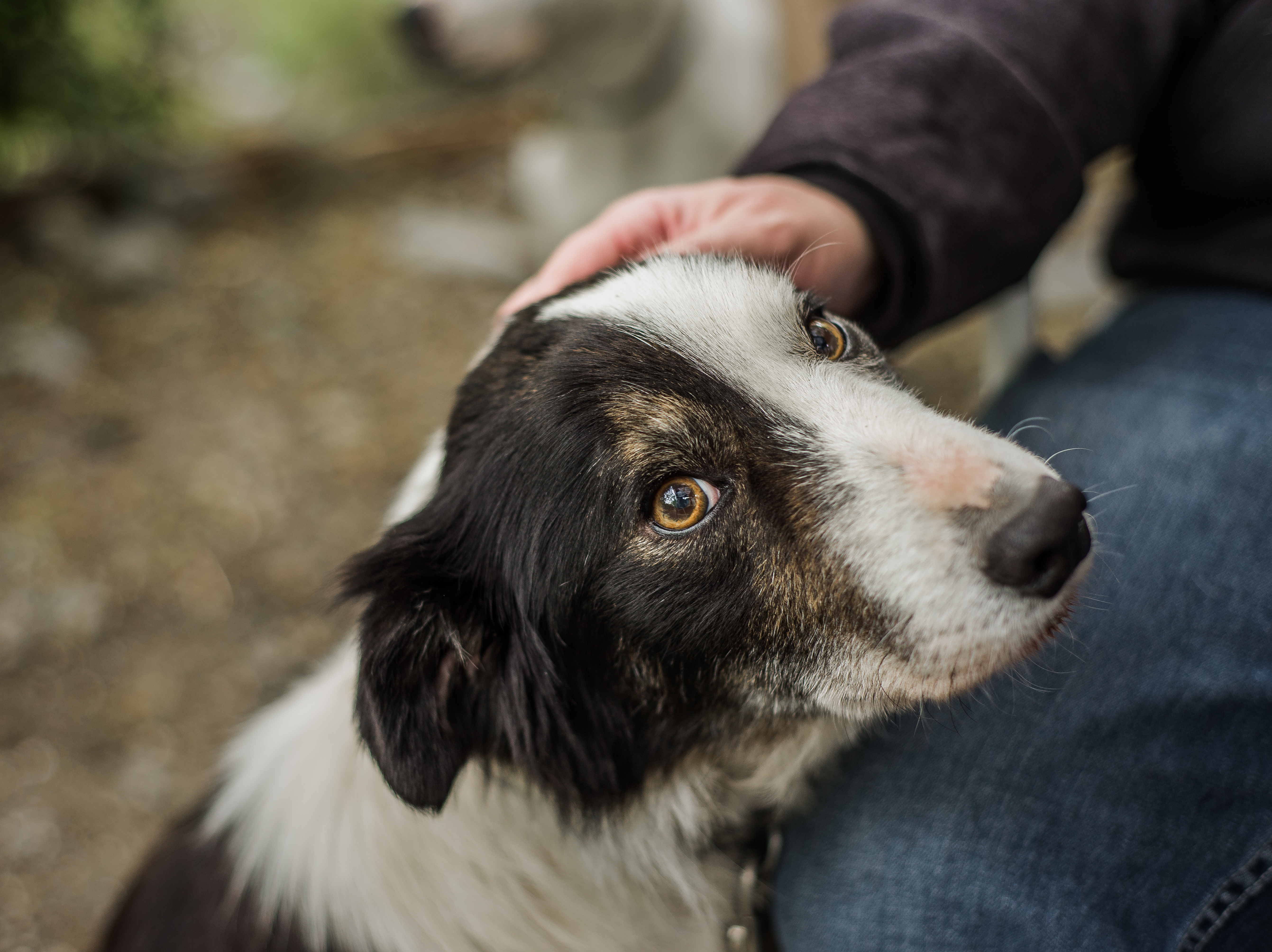
Stay predictable. Move slowly, keep your voice low, and offer a hand target or a familiar mat only if the dog already knows it. Some dogs want quiet company; others settle faster with distance. Let the dog choose contact, and do not pull a hiding dog into the middle of the room for reassurance. If a dog growls while cornered, give space and ask a qualified professional for help rather than testing the warning.
Keep outdoor movement brief and controlled
When a storm is nearby, the safest outing may be a short, boring bathroom break. Use a leash even in a fenced yard, keep identification on the dog, and avoid open fields, shoreline paths, and exposed trees. Lightning can be present even when rain is not overhead. If thunder is audible, move indoors; a dog thunderstorm safety plan keeps this decision simple, and NOAA’s public guidance for people is a useful boundary for the whole household.
After the storm, do not rush straight into a normal long walk. Check for fallen branches, standing water, broken fencing, and new wildlife or debris first. Let your dog sniff in a familiar area and return home if the body language still shows tension. The aim is a calm reset, not a test of bravery.
Work with a veterinarian for severe or new fear
Some dogs need more than a room and background sound. Cornell and the ASPCA both recommend talking with a veterinarian or veterinary behaviorist when fear is moderate, severe, worsening, or hard to manage. A professional can look for medical contributors, design a behavior plan, and discuss prescription options when appropriate. Never borrow medication, change a dose, or try a supplement without veterinary direction.
If a veterinarian prescribes medication, ask about timing and a supervised practice dose on a quiet day. Keep written instructions with the storm kit. Seek urgent veterinary help if the dog injures itself, cannot settle, has trouble breathing, collapses, ingests a dangerous object, or has another emergency sign. This Field Note is general education, not medical advice; your veterinarian should guide care for your individual dog.
Make a dog thunderstorm safety plan workable for a large or senior dog
Large dogs need clear floor space and an exit path that does not require lifting. Senior dogs may need a non-slip mat, a nearby water bowl, or a slower route to the bathroom. A dog thunderstorm safety plan for a large or senior dog should also keep the route to the bathroom clear and the refuge easy to leave. Move fragile furniture and cords out of the refuge rather than asking a frightened dog to ignore them. If mobility is limited, plan the room before the forecast and keep the leash where you can reach it without stepping over the dog.
A storm day can still include gentle enrichment. Offer a familiar chew, a scatter of part of the normal meal, or a quiet scent game if the dog wants it. Skip novelty when the dog is already overwhelmed. Fit Guide is useful for planning handling and space questions before travel, while Plan B Field Note offers a calm reminder that changing the outing is a responsible choice.
Rehearse the dog thunderstorm safety plan on quiet days
Practice the refuge when the sky is calm. Walk your dog to the room, reward a relaxed pause, and leave the door open so the space stays a choice rather than a punishment. Turn on the fan or white noise for a few minutes, then switch it off before the dog becomes bored. Rehearsal should be short and ordinary; the point is to make the sequence familiar before real storm anxiety narrows the dog’s options.
Write down household roles: who checks alerts, who handles the leash, who watches the door, and who calls the veterinarian. Store the written plan with identification records and any prescribed instructions. A visible list prevents one person from searching for supplies while another accidentally opens an exit. Review it after each storm and adjust only what you observed, not what you hoped would happen.
A repeatable dog thunderstorm safety plan
- Check the forecast and alerts early.
- Finish a short, leashed bathroom break before thunder is close.
- Bring the dog inside and secure doors, windows, gates, and identification.
- Set up the familiar refuge with bedding, water, and optional sound masking.
- Observe early fear signals and reduce noise, handling, and demands.
- Stay calm, let the dog choose contact or hiding, and never punish fear.
- Afterward, inspect the route and yard before resuming normal activity.
- Call a veterinarian or veterinary behaviorist when the fear is severe, new, or worsening.
Browse Dog Care Guide Field Notes for more practical routines. A plan is successful when the dog finishes the storm safely and the household knows what to do next time.
FAQ
Should I comfort a dog who is afraid of thunder?
Offer calm company if your dog seeks it, but let the dog choose contact. Do not drag a hiding dog out, punish vocalizing, or force a new training exercise during panic.
Can a crate help during a storm?
Only use it as a refuge if the dog already knows the crate as a safe place. Keep the door open unless the dog is comfortable with it and a veterinarian or behavior professional has advised otherwise.
When should I ask a veterinarian about storm fear?
Ask early when fear is new, worsening, moderate to severe, or causing escape attempts, injury, or inability to settle. A veterinarian can guide medical and behavior support.
Can I walk my dog when thunder is audible?
Keep the dog indoors when thunder is audible or lightning is nearby. If a bathroom break is unavoidable, use a leash, stay close, and return indoors immediately.
Sources and reading
- ASPCA: Is Your Pet Scared of Storms? Here’s How to Help!
- Cornell University College of Veterinary Medicine: Fear of Fireworks and Thunderstorms
- NOAA NESDIS: What Causes Lightning and Thunder?
- ASPCA: Expert Tips for Keeping Pets Safe and Calm During Disasters
Frequently asked questions
Should I comfort a dog who is afraid of thunder?
Offer calm company if your dog seeks it, but let the dog choose contact. Do not drag a hiding dog out or punish fear.
Can a crate help during a storm?
Use a crate as a refuge only if the dog already knows it as a safe place. Keep it familiar and never introduce confinement during panic.
When should I ask a veterinarian about storm fear?
Ask early when fear is new, worsening, moderate to severe, or causing escape attempts, injury, or inability to settle.
Can I walk my dog when thunder is audible?
Keep the dog indoors when thunder is audible or lightning is nearby. If a bathroom break is unavoidable, use a leash and return immediately.